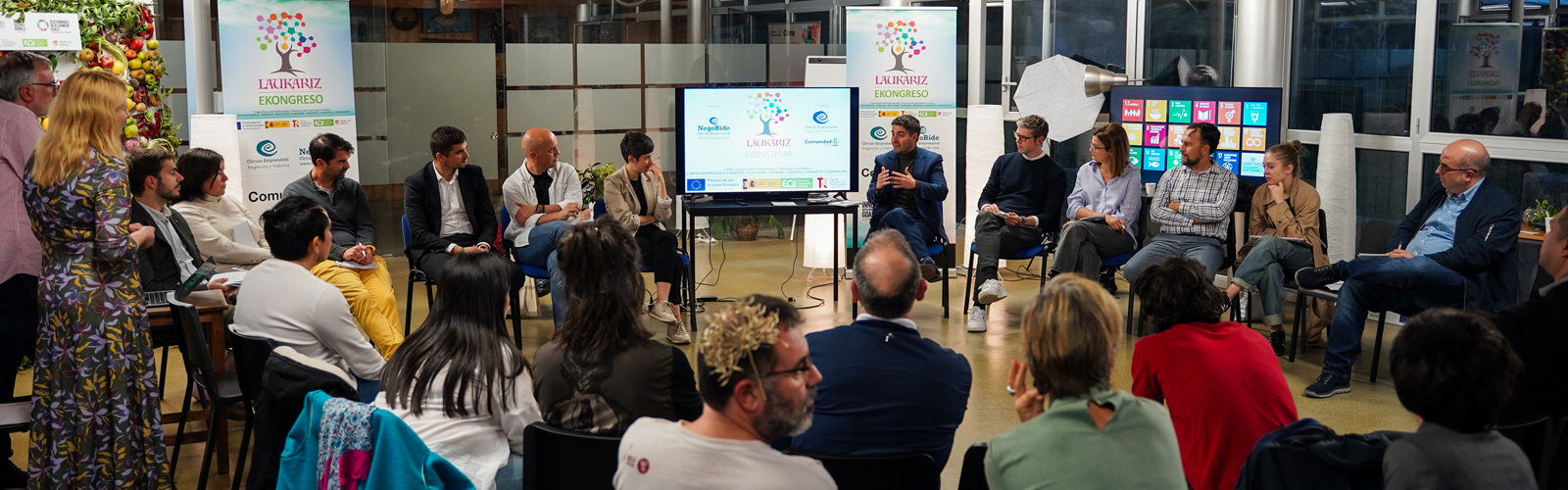
OCTUBRE, NOVIEMBRE y DICIEMBRE 2026: EKONGRESO este año se realiza de forma itinerante en diferente localidades: BIARRITZ – BILBAO – BURGOS – DONOSTIA-SAN SEBASTIÁN – VITORIA-GASTEIZ…
Nuevamente promovemos el desarrollo de Encuentros, Dinámicas, Actividades y ‘SideEvents’ en espacios dedicados al nacimiento, crecimiento, consolidación y proyección de Negocios Responsables:
A lo largo de DIEZ Jornadas, celebraremos un interesante ‘Encuentro de Encuentros’ en el marco del ‘EKONGRESO‘: 20 actividades prácticas y beneficiosas donde vamos a compartir Información, Oportunidades, Ideas, Apoyos, Retos, Alianzas, Recursos, Materiales, Financiación… en torno al Desarrollo Económico y Social, identificando nuestra utilidad como Personas y Organizaciones que trabajamos por el Bien Común, COOPERANDO para sumar energías y multiplicar resultados.
10 Encuentros Profesionales en relación a ‘Diez Economías’ En ellos será posible participar mediante ‘Invitación / Recomendación‘: facilitaremos ‘300 plazas distribuidas’; deseamos un desarrollo ágil, práctico y, sobre todo, altamente beneficioso e impactante para Profesionales, Empresas, Entidades y representantes de Instituciones.
SOLICITA INVITACIÓN o MÁS INFORMACIÓN: info@negobide.com Y RESERVA TU PLAZA
QUÉ es EKONGRESO?
Espacios de encuentro para profesionales de empresas, organizaciones e instituciones y proyectos de personas que quieren contribuir a una economía más sostenible, innovadora, inclusiva y comprometida con el Bien Común.
Con más de 600 eventos similares desarrollados desde el año 2000 en distintas localidades de Araba, Bizkaia, Burgos, Cantabria, Gipuzkoa, La Rioja, Navarra , Zaragoza,.. y junto a otras Organizaciones amigas, también Barcelona o Madrid, EKONGRESO surgió como un «Encuentro de Encuentros» anual en el que diferentes Economías de Impacto dialogan, comparten retos y generan oportunidades de colaboración.
A través de encuentros profesionales, conversaciones, dinámicas, talleres y experiencias, EKONGRESO conecta conocimiento, talento y propósito para transformar las ideas en alianzas, proyectos y acciones con impacto real.
Los eventos abordan diferentes dimensiones de la economía y de la sociedad —desde la sostenibilidad, la innovación y la tecnología hasta la cultura, la inclusión, la longevidad, las nuevas formas de organización y la transformación social— entendiendo que los grandes retos actuales necesitan respuestas conectadas y colaborativas.
Más que reunir personas, EKONGRESO conecta ecosistemas: empresa, emprendimiento, tercer sector, instituciones, conocimiento y ciudadanía; espacios donde compartir retos, oportunidades, experiencias, recursos y conocimiento, descubrir posibles colaboraciones y construir relaciones capaces de generar nuevas iniciativas.
Porque el impacto no se construye de manera aislada: Se construye conectando personas, sumando capacidades y convirtiendo la cooperación en acción.
Las Economías de Impacto representan diferentes formas de entender el desarrollo económico desde una mirada más humana, sostenible, innovadora y colaborativa.
Cada una aborda retos distintos, pero todas comparten un propósito: generar valor económico mientras producen impacto positivo en las personas, el territorio y el planeta.
🟡 Economía Amarilla / 8 de OCTUBRE en BIDART-BIARRITZ
«Innovación, ciencia y tecnología eficientes y eficaces para la sociedad». Encuentro Transfronterizo en la École Supérieure des Technologies Industrielles Avancées, ESTIA de BIDART, con la colaboración de la Cámara de Comercio de Baiona.
Impacto: generación de sinergias entre empresas, entidades y profesionales de ambas partes de la antigua muga, con el foco en la Industria, la I+D+i y los servicios conexos.
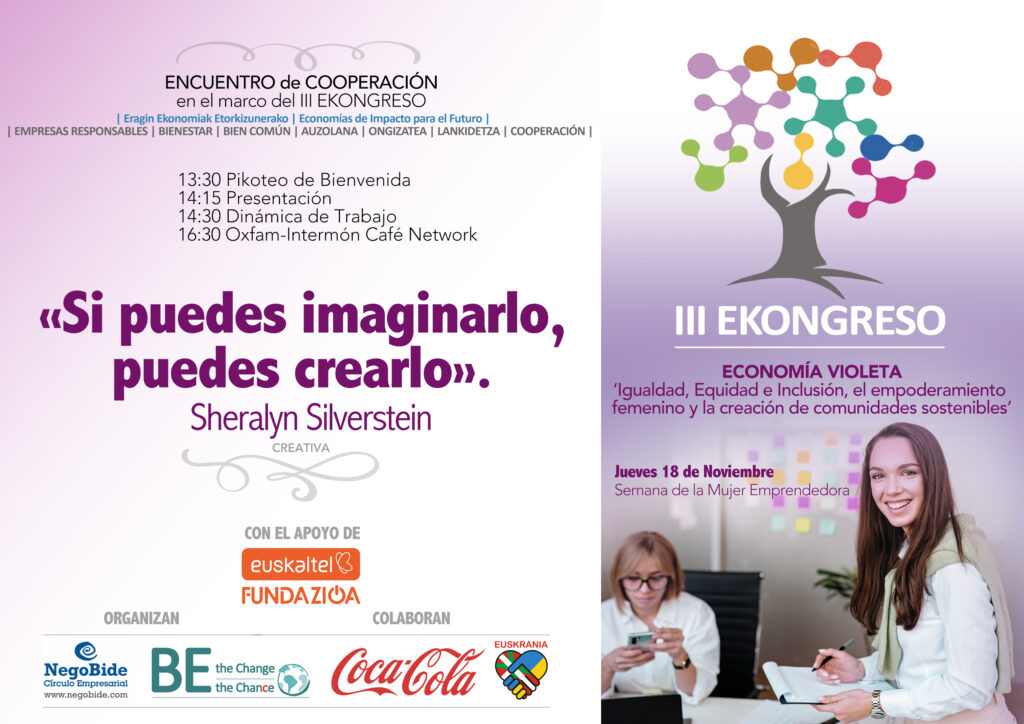
🟣 Economía Violeta / 18 de NOVIEMBRE en BILBAO
Igualdad, Equidad e Inclusión. El empoderamiento femenino y la creación de comunidades sostenibles
Impacto: El papel de la Mujer en el desarrollo social y económico de nuestro entorno. casos prácticos de iniciativas que están constribuyendo a la mejora del bienestar común, la generación de empleo, la reducción de los desequilibrios y desigualdades, la construcción de comunidades más humanas y resilientes.
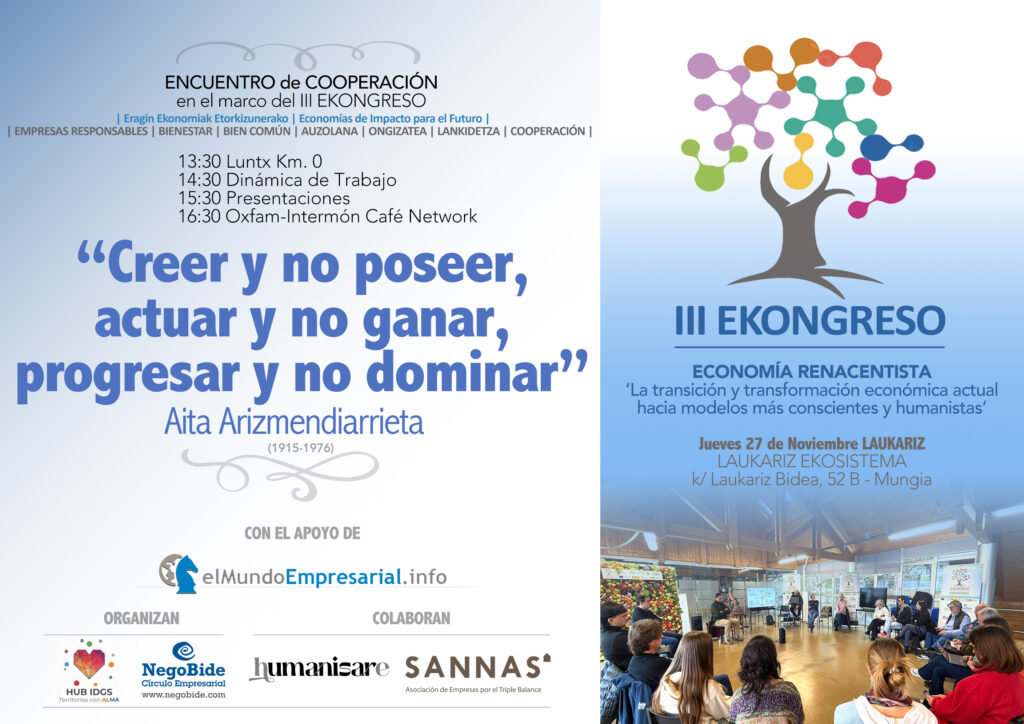
🔵 Economía Renacentista / 27 de NOVIEMBRE en LAUKARIZ
‘Transición y Transformación de la actualidad y para el Futuro’ Futuro, mirando al pasado, al Renacimiento. Marcó el paso de la Edad Media a la Moderna; un profundo cambio de mentalidad que comienza a poner en valor el ‘humanismo’ y favorece las artes, la ciencia y la filosofía… Y nuevamente otra mirada al pasado; pues antes de construir el nuevo paradigma, se recuperó el conocimiento de la antigua Grecia y Roma para sentar las bases de la ciencia moderna…
La Economía Renacentista nos propone echar el freno y la vista atrás, respirar, buscar inspiración y reformular el éxito de nuestras organizaciones y territorios con triple impacto; contribución social, impacto ambiental y economía ética.
Impacto: Sociedad civil, entidades y empresas más humanistas y responsables: relaciones económicas y sociales más justas, un mayor compromiso con el territorio y decisiones orientadas al bienestar colectivo, al Bien Común.
EN BREVE, INFORMACIÓN SOBRE EL RESTO DE LAS ECONOMÍAS Y SUS JORNADAS:
🟢 Economía Verde
‘Baja en carbono, eficiente en recursos y socialmente inclusiva’. Transforma la manera en la que producimos y consumimos, apostando por reducir residuos, reutilizar recursos y prolongar la vida de productos y materiales.
Impacto: menos residuos, mayor eficiencia de recursos, reducción de la huella ambiental y nuevos modelos de negocio sostenibles.
🔵 Economía Azul
‘Ríos y Mares. Vínculo crucial entre el sistema climático, la sociedad y el medio ambiente’. Impulsa actividades económicas vinculadas a ríos, mares, océanos y recursos acuáticos desde una perspectiva sostenible y regenerativa.
Impacto: protección de ecosistemas marinos, innovación vinculada al agua, empleo sostenible y desarrollo responsable de los recursos naturales.
🟠 Economía Naranja
‘Transformando ideas en bienes y servicios de carácter cultural e intelectual’ Sitúa a las personas y al propósito social en el centro de la actividad económica a través de cooperativas, empresas sociales, asociaciones y otras organizaciones.
Impacto: empleo inclusivo, cohesión social, redistribución del valor, fortalecimiento de las comunidades y desarrollo económico más equitativo.
🔴 Economía Roja
‘‘El consumo de Bienes y Servicios, con Responsabilidad’ Analizamos cómo transformar el consumismo en un modelo que cuide a la sociedad, el bienestar colectivo y las personas. Y ponemos especial foco en el cuidado de los negocios locales, tanto en pequeños municipios como ciudades.
Impacto: Experiencias de primera mano en moda sostenible, la economía social, comercio urbano, hostelería, industria textil, innovación social y tecnología aplicadas.
⚪ Economía Plateada
‘La nueva Longevidad. Escenarios de Futuro.‘ Responde a las oportunidades y necesidades derivadas de una sociedad cada vez más longeva. Reconoce el cuidado y el bienestar de las personas como elementos esenciales para el funcionamiento de la economía y de la sociedad.
Impacto: mejora de la calidad de vida, autonomía y bienestar de las personas mayores, generación de nuevos servicios y oportunidades empresariales vinculadas a la longevidad.
🟠 Economía Dorada
‘Las Organizaciones al servicio de la Sociedad’ El color dorado brilla con tan solo existir. Simboliza la luz del sol, el calor, el Valor. Esta Economía sitúa al propósito social y a las personas en el centro de nuestras actividades a través de cooperativas, empresas sociales, asociaciones y otras organizaciones.
Impacto: empleo inclusivo, cohesión social, redistribución del valor, fortalecimiento de las comunidades y desarrollo económico más equitativo.
🩵 Economía TEAL
‘Reinventar las Organizaciones para Reinventar el Mundo en que vivimos’ Los tiempos cambian, evolucionan… ¿También las Organziaciones evolucionamos? Nuevos modelos de gestión empresarial y socioeconómica sustituyen la jerarquía tradicional por estructuras horizontales y colaborativas.
Impacto: Autogestión, Propósito Evolutivo, Plenitud… Concebimos nuestras empresas desde la evolución de la conciencia y la sostenibilidad.
…
10 economías. Un mismo propósito.
Cada economía aporta una mirada diferente.
Pero cuando todas ellas se encuentran, aparecen nuevas conexiones entre sectores que hasta ahora han trabajado por separado.
Ese es el potencial de EKONGRESO:
Conectar ecosistemas, compartir retos, descubrir oportunidades y transformar la colaboración en impacto.
Porque los grandes desafíos económicos, sociales y medioambientales no pertenecen a una sola economía.
Nos pertenecen a Todas y Todos.
EKONGRESO | Innovación que genera impacto
EKONGRESO es un Encuentro de Encuentros de las Economías de Impacto donde empresas, instituciones, personas emprendedoras, organizaciones, profesionales y ciudadanía conectan conocimientos, experiencias y recursos para afrontar retos compartidos.
Su capacidad transformadora nace de combinar diferentes tipos de innovación y convertirlos en impacto económico, social, medioambiental y territorial.
TIPOS DE INNOVACIÓN
1. Innovación social
Nuevas respuestas a necesidades y retos de la sociedad mediante colaboración, participación y nuevos modelos de intervención.
Genera: inclusión, cohesión social, igualdad de oportunidades, bienestar y comunidades más resilientes.
2. Innovación empresarial
Nuevas formas de crear valor, desarrollar servicios, acceder a mercados y responder a necesidades emergentes.
Genera: competitividad, crecimiento empresarial, nuevas oportunidades y empleo.
3. Innovación en modelos de negocio
Exploración de modelos económicos que combinan rentabilidad, propósito e impacto.
Genera: empresas más sostenibles, nuevas fuentes de ingresos y oportunidades alrededor de las Economías de Impacto.
4. Innovación tecnológica y digital
Aplicación de tecnología, digitalización, datos e inteligencia artificial para responder a retos empresariales, sociales y medioambientales.
Genera: eficiencia, escalabilidad, accesibilidad, productividad y nuevas soluciones.
5. Innovación medioambiental
Nuevas soluciones relacionadas con circularidad, energía, recursos, biodiversidad, consumo y producción sostenible.
Genera: reducción de residuos y emisiones, optimización de recursos y transición hacia una economía más sostenible.
6. Innovación territorial
Conecta oportunidades económicas y sociales con las necesidades específicas de cada territorio.
Genera: desarrollo local, revitalización rural y urbana, atracción y retención de talento y nuevas oportunidades empresariales.
7. Innovación colaborativa
Hace posible que organizaciones de sectores diferentes compartan conocimiento, capacidades y recursos.
Genera: alianzas, proyectos conjuntos, transferencia de conocimiento y soluciones que difícilmente surgirían trabajando de manera aislada.
8. Innovación abierta
Incorpora ideas y conocimiento procedentes de empresas, startups, universidades, administraciones, asociaciones, profesionales y ciudadanía.
Genera: intercambio de conocimiento, identificación de soluciones y aceleración de nuevos proyectos.
9. Innovación público-privada-social
Crea espacios donde administración, empresa y sociedad pueden encontrarse alrededor de retos comunes.
Genera: cooperación intersectorial, proyectos compartidos y mayor capacidad para abordar problemas complejos.
10. Innovación cultural y creativa
Utiliza creatividad, cultura, diseño y pensamiento diferente como herramientas de transformación.
Genera: nuevas narrativas, industrias creativas, identidad territorial, pensamiento crítico y nuevas maneras de solucionar problemas.
11. Innovación organizacional
Promueve nuevas formas de liderazgo, colaboración, participación y organización del trabajo.
Genera: organizaciones más ágiles, humanas, participativas y preparadas para el cambio.
12. Innovación en cuidados y bienestar
Busca nuevas respuestas ante los desafíos relacionados con longevidad, cuidados, salud, conciliación y calidad de vida.
Genera: bienestar, autonomía, corresponsabilidad y nuevos servicios vinculados a las necesidades de las personas.
TIPOS DE IMPACTO
EKONGRESO puede generar impacto mucho más allá del propio día del encuentro.
Impacto económico
Nuevas oportunidades de negocio, clientes, proveedores, inversiones, proyectos y mercados.
Impacto empresarial
Mayor competitividad, innovación, transferencia de conocimiento y generación de nuevas soluciones.
Impacto social
Soluciones para necesidades sociales, inclusión, igualdad de oportunidades y fortalecimiento comunitario.
Impacto medioambiental
Impulso de modelos circulares, sostenibles y regenerativos y mayor conciencia sobre el uso responsable de los recursos.
Impacto territorial
Conexión de agentes locales, fortalecimiento de ecosistemas y generación de oportunidades vinculadas al territorio.
Impacto en empleo y talento
Nuevas conexiones profesionales, oportunidades laborales, emprendimiento, desarrollo de capacidades y circulación de talento.
Impacto en emprendimiento
Visibilidad para proyectos, conexión con empresas e instituciones, acceso a conocimiento, colaboraciones y oportunidades de crecimiento.
Impacto en conocimiento
Intercambio de experiencias, metodologías, tendencias y buenas prácticas entre sectores diferentes.
Impacto relacional
Creación de relaciones de confianza entre personas y organizaciones que anteriormente no estaban conectadas.
Impacto institucional
Acercamiento entre instituciones, empresas y sociedad y generación de espacios para escuchar necesidades y detectar oportunidades.
Impacto cultural
Transformación de la manera de entender la economía: del crecimiento exclusivamente financiero hacia la creación de valor económico, social y medioambiental.
Impacto sistémico
Es el nivel más ambicioso de EKONGRESO.
Surge cuando diferentes Economías de Impacto, sectores y agentes dejan de actuar de forma aislada y empiezan a construir soluciones conjuntamente.
La cadena de impacto de EKONGRESO
PERSONAS ↓ se encuentran
ECOSISTEMAS ↓ comparten retos
CONOCIMIENTO ↓ genera nuevas ideas
CONEXIONES ↓ se convierten en alianzas
ALIANZAS ↓ activan proyectos
PROYECTOS ↓ generan soluciones
SOLUCIONES ↓ producen
IMPACTO ECONÓMICO + SOCIAL + MEDIOAMBIENTAL + TERRITORIAL
Por eso, el verdadero valor de EKONGRESO no debería medirse únicamente por el número de asistentes.
También debería medirse por las conexiones creadas, alianzas iniciadas, oportunidades detectadas, conocimiento compartido y proyectos que nacen después del encuentro.
EKONGRESO
10 Economías de Impacto. Múltiples formas de innovar. Un ecosistema para conectar. Un propósito: transformar retos en impacto.
¿Te resultaría más fácil el consumo consciente si pudieses encontrar en un solo espacio la oferta de ropa, calzado, libros y otros productos y servicios de empresas comprometidas? Diversas experiencias y proyectos de economía social y solidaria lo hacen posible.
Imagínate entrando en un centro comercial en el que puedes cambiar el contrato de tu móvil a Somos Conexión, probar un Fairphone, o elegir entre diversas ofertas de ordenadores de segunda mano ‒recuperados por una iniciativa como Circula‒. O comprar champú a granel, que no encuentras en tu barrio. ¿Y si pudieses de paso tomarte una cerveza artesana o un café de comercio justo, y llevarte a casa un queso eco y de proximidad? ¿Y si los viernes pudieses acudir a ver conciertos, teatro, o una charla interesante, y luego quedarte a tomar unas tapas y echar unos bailes?
En Roma y Pamplona ya existen experiencias de (mini) centros comerciales, surgidas de la intercooperación entre diversas iniciativas, que ofrecen algunas de estas posibilidades. En el País Vasco y Asturias podemos encontrar grandes superficies especializadas en productos de segunda mano. Y en Barcelona existen dos nuevos proyectos intercooperativos: el primero de ellos abrirá sus puertas en 2020, mientras que el segundo se encuentra todavía en fase de diseño.
De todos estas iniciativas os hablaremos en este artículo, pero antes reflexionaremos sobre porque ahora encontramos unidos dos conceptos, “centros comerciales” y “consumo consciente”, tradicionalmente “peleados” entre sí…
En noviembre se ha convocado un Encuentro participado por personas procedentes de Bielorrusia, Euskal Herria, Grecia, Kazajistán, Moldavia, Polonia, Rumanía, Rusia y Ukrania.
Se van a compar impresiones sobre la percepción de la realidad social, económica de los Pueblos representados y sus Oportunidades, así como el papel de la Mujer en sus territorios o los índices de Desarrollo Humano, entre otras cuestiones propuestas por las personas participantes.
Asimismo, se tratará de fijar la convocatoria de un nuevo Encuentro a celebrar durante el primer trimestre de 2020.
El pasado 1 de julio, una treintena de empresas y profesionales se reunieron en la localidad zaragozana de UNCASTILLO; su objetivo, celebrar un Encuentro de Negocios en Cooperación con el fin de encontrar posibles sinergias entre sí y, al tiempo, conocer de primera mano parte del trabajo que Fundación MAPFRE desarrolla a través del Programa JUNTOS SOMOS CAPACES.
El lugar elegido para este evento fue el Restaurante Uncastello; puso a disposición del grupo el salón de trabajo y un exquisito lunch elaborado con productos de las Cinco Villas que permitió saborear ideas y compartirlas, identificando posibles formas de cooperar para salir adelante con los negocios.
Acerca del Programa JUNTOS SOMOS CAPACES La Acción Social forma parte esencial de la cultura de MAPFRE. Esta acción se materializa a través del desarrollo de actividades de interés general a través de Fundación MAPFRE y sus cinco áreas (Área de Salud, Prevención y Medio Ambiente; Área de Cultura; Área de Ciencias del Seguro; Área de Seguridad Vial; y Área de Acción Social).
En 2006 se crea el Área de Acción Social de Fundación MAPFRE con el objetivo de contribuir al desarrollo y progreso de la sociedad, aportando recursos empresariales destinados a la mejora directa o indirecta de las condiciones de vida de las personas y colectivos más desfavorecidos de los países en que MAPFRE está implantada. Se centra principalmente en la promoción de proyectos relacionados con la integración social y laboral de las personas con discapacidad intelectual y enfermedad mental en España, apoyando la inserción en las empresas con la metodología de “empleo con apoyo”.
El pasado 29 de Septiembre, se celebró un nuevo Encuentro de Negocios organizado por Sodebur en la comarca del Arlanza. La bella e histórica localidad de COVARRUBIAS, acogió a una treintena de profesionales y empresas inquietas por tomar las riendas de su desarrollo, cooperando con otros negocios con los que mejorar su posicionamiento y mercados.
La Agencia para el Desarrollo de Burgos, SODEBUR, en coordinación con ADECOAR y los TGEE de la zona, colaboran con Círculo Empresarial, para promover espacios de trabajo en toda la provincia de Burgos, donde se intercambia información y negocio entre los participantes, facilitando con ello el acceso a nuevos clientes, desarrollando alianzas para la cooperación, identificando contactos y oportunidades.
ISEAD Business School impulsó el intercambio de proyectos, experiencias y contactos entre su alumnado Los pasados 13 y 14 de marzo, Madrid International Lab acogió la celebración de varias sesiones teórico-prácticas en las que un nutrido grupo de participantes de varios Programas de ISEAD Business School, junto a promotores de negocios de MadridEmprende y algunas empresas de España y América Latina, conocieron e identificaron diferentes formas y modelos de cooperación más habituales en el mundo empresarial.
La Cooperación Empresarial, es base fundamental de los negocios de S.XXI. Conscientes de ello, ISEAD Business School quiere influir positivamente sobre este aspecto en su alumnado y, por ello, organizó unas Jornadas de Emprendizaje especialmente dirigidas a sensibilizar en la materia y facilitar instrumentos que ayuden a superar los difíciles retos de quienes tienen inquietudes sociales y empresariales.
Dinámicas de networking y cooperación de Círculo Empresarial, se alternaron con asesoramiento personalizado que ofrecieron Francisco Molina, Juan Pablo Marciel y Txerra Ordeñana, patronos de la Fundación Iberemprende que contaron también con la colaboración activa de los empresarios Francisco Javier Roca y Óscar Lizarraga.
Iñaki Ortega, Director General de Comercio, Desarrollo Económico e Innovación «Madrid Emprende» en el Ayuntamiento de la capital española, abrió una de las sesiones con una interesante ponencia informativa, que aportó luces y claves para el desarrollo del emprendizaje, así como las diferentes infraestructuras disponibles para las personas emprendedoras, los apoyos a la creación y consolidación de negocios, financiación, etc. En su presentación, Ortega destacó á Madrid como capital de las oportunidades en España y puerta de acceso al mercado europeo para productos, servicios y talento iberoamericano. También realizó una magnífica exposición sobre la orientación de las políticas públicas en el ámbito del autoempleo y la creación de negocios: «El sector público no debe repetir lo que ya hace bien el mercado», aseguró, al tiempo que justificó lo acertado de apostar por «una buena inversión institucional en emprendedores, pues tiene un rápido retorno para su entorno».
La dirección de las Jornadas corrió a cargo de Francisco Javier Sota, decano de la Escuela de Liderazgo y Transformación Social de ISEAD Business School. Seguidas por más de 60 participantes internacionales de los Programas de ISEAD (Executive MBA, MBA, GMCM, MDL, Maestría MBA ISEAD-UPTC y Maestría MDL ISEAD-UFPS), la experiencia resultó altamente satisfactoria para el grupo y, por ello, al término de las sesiones, manifestaron su interés por que la Escuela de Negocios posibilite la continuidad de este tipo de iniciativas de cooperación efectiva.
El pasado mes de octubre, se celebró en Tudela Nafarroa Oinez, tradicional fiesta en favor del patrimonio lingúistico de Navarra con el que, además, se consiguen recursos económicos para el desarrollo educativo, en este caso dirigido a la Ikastola de la localidad, ARGIA. El evento se llevó a cabo en las inmediaciones de la Ciudad Agroalimentaria, en cuyo Centro de Negocios tenemos ubicadas las oficinas de Círculo Empresarial Negocios y Valores en Navarra.
En este día, acompañamos en un stand informativo a la entidad Cascantum, creada para el Desarrollo Social y Económico de la Ribera de Navarra y su valle del Queiles. Cascantum tiene por objetivo ayudar a los negocios del territorio y, por ello, ya hemos organizado varios encuentros de Cooperación Empresarial de forma conjunta, tanto en el propio Centro de Negocios como en las magníficas instalaciones del hotel Bed4U de Tudela.
Unesco Etxea aboga en Bilbao por la participación ciudadana para mejorar la democracia
DECLARACIÓN DE LA INSTITUCIÓN VASCA EN EL DÍA INTERNACIONAL DE LA PAZ
Unesco Etxea ha celebrado en Bilbao, con motivo del día internacional de la paz, el V encuentro bienal de socios y socias de honor. Al acabar, su presidente, Ruper Ormaza, y el ex director general de la Unesco, Federico Mayor Zaragoza, han presentado el documento.
En la declaración, Unesco Etxea ha realizado un llamamiento social a la participación activa de las personas y los pueblos.
Este organismo ha apelado a que la ciudadanía exija de los estamentos públicos una respuesta que favorezca esa participación equitativa e inclusiva.
En el texto Unesco Etxea ha lanzado trece compromisos institucionales en los ámbitos de la participación; educación; transparencia; ética y valores; economía y empresa; ciencia y tecnología; servicios públicos, derechos humanos y responsabilidad ciudadana, y se ha comprometido en la promoción de la Declaración Universal de la Democracia en el ámbito vasco.
NegoBide Cïrculo Empresarial mantiene un estrecho contacto con Unesco Etxea, colaborando con la institución como entidad socia benefactora y, aportando conocimiento y apoyo en materia de empresa, emprendizaje y desarrollo socioeconómico.
Acede aquí a más de 30.000 Noticias, Artículos e Informes de interés:
New Business / El Mundo Empresarial Periódico especializado en Estrategia, Ejecución, Proyección y Comunicación para empresas, entidades e instituciones.
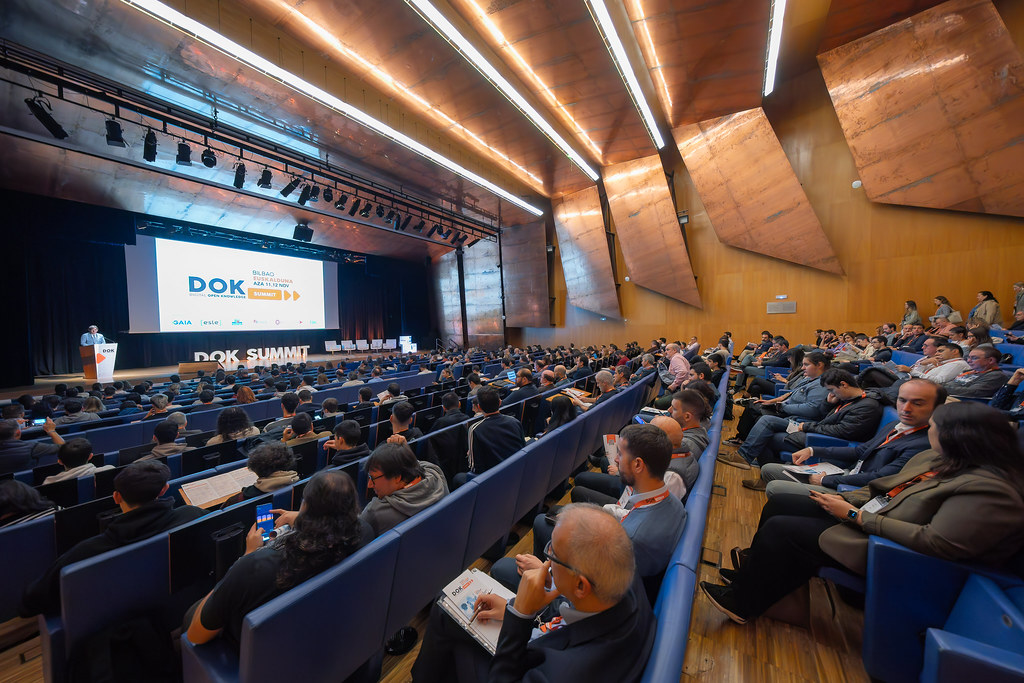
¿Resulta posible convertir la transformación digital y verde en una ventaja competitiva para las empresas vascas? Esta será una de las importantes cuestiones que centrará DOK Summit 2026, el encuentro organizado por […]
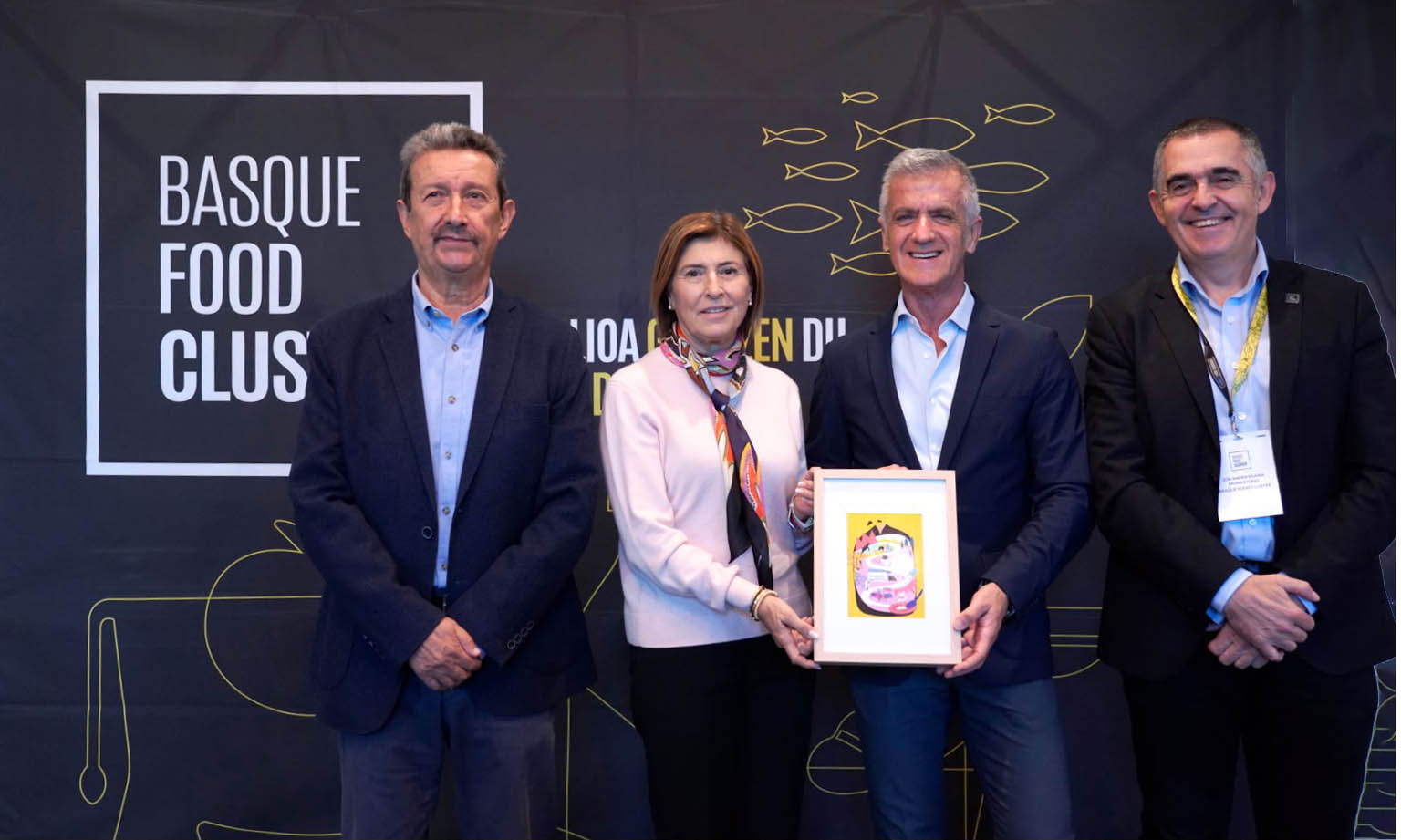
El CEO del grupo alimentario compartido con las empresas de BASQUE FOOD CLUSTER las claves de su transformación, marcada por la diversificación, la internacionalización y una visión de crecimiento a largo plazo. El […]
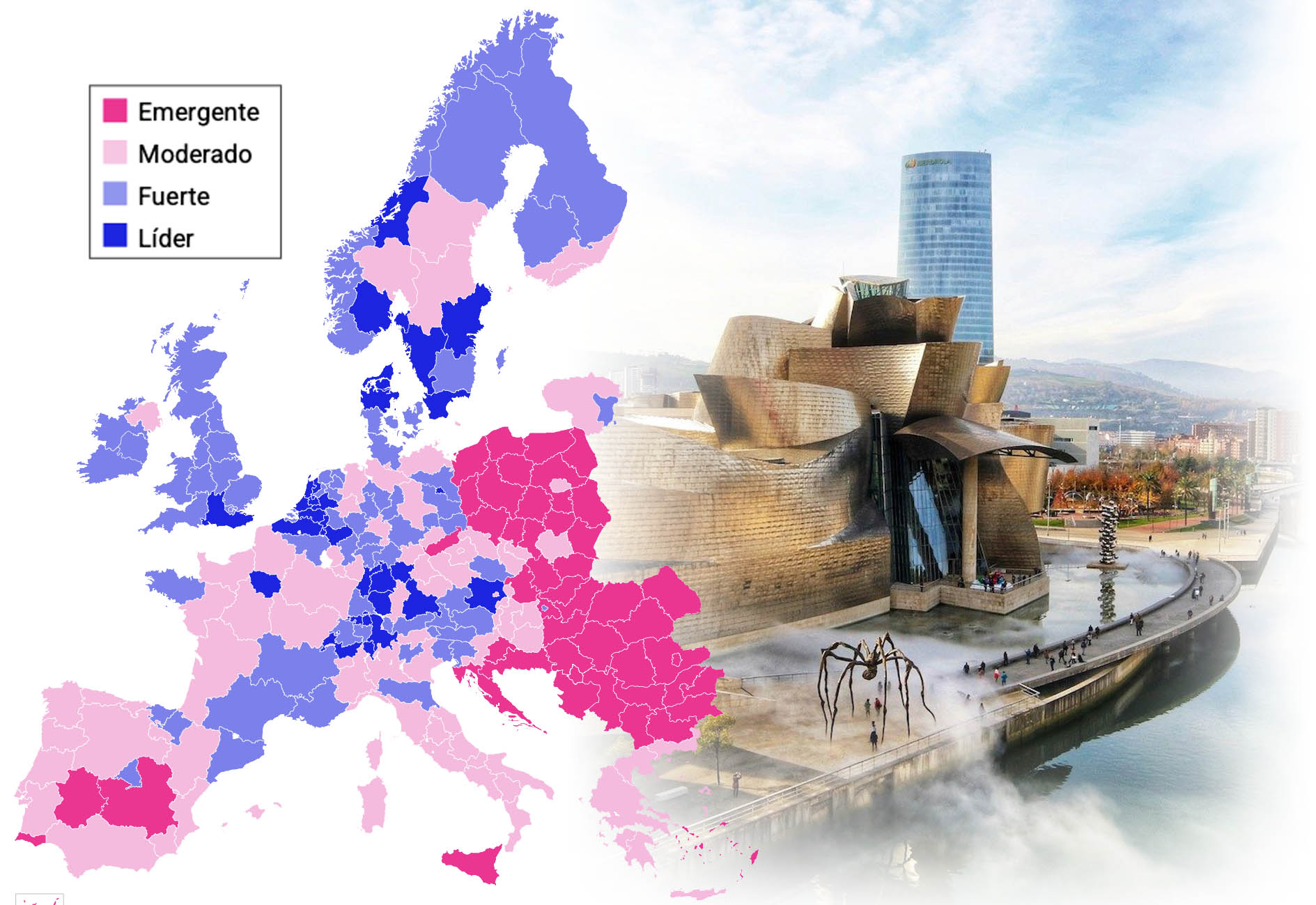
Euskadi ha blindado su posición como el líder indiscutible de la innovación y la vanguardia tecnológica en el Estado español. Según los datos del informe técnico ‘Proceso de innovación y desigualdad […]
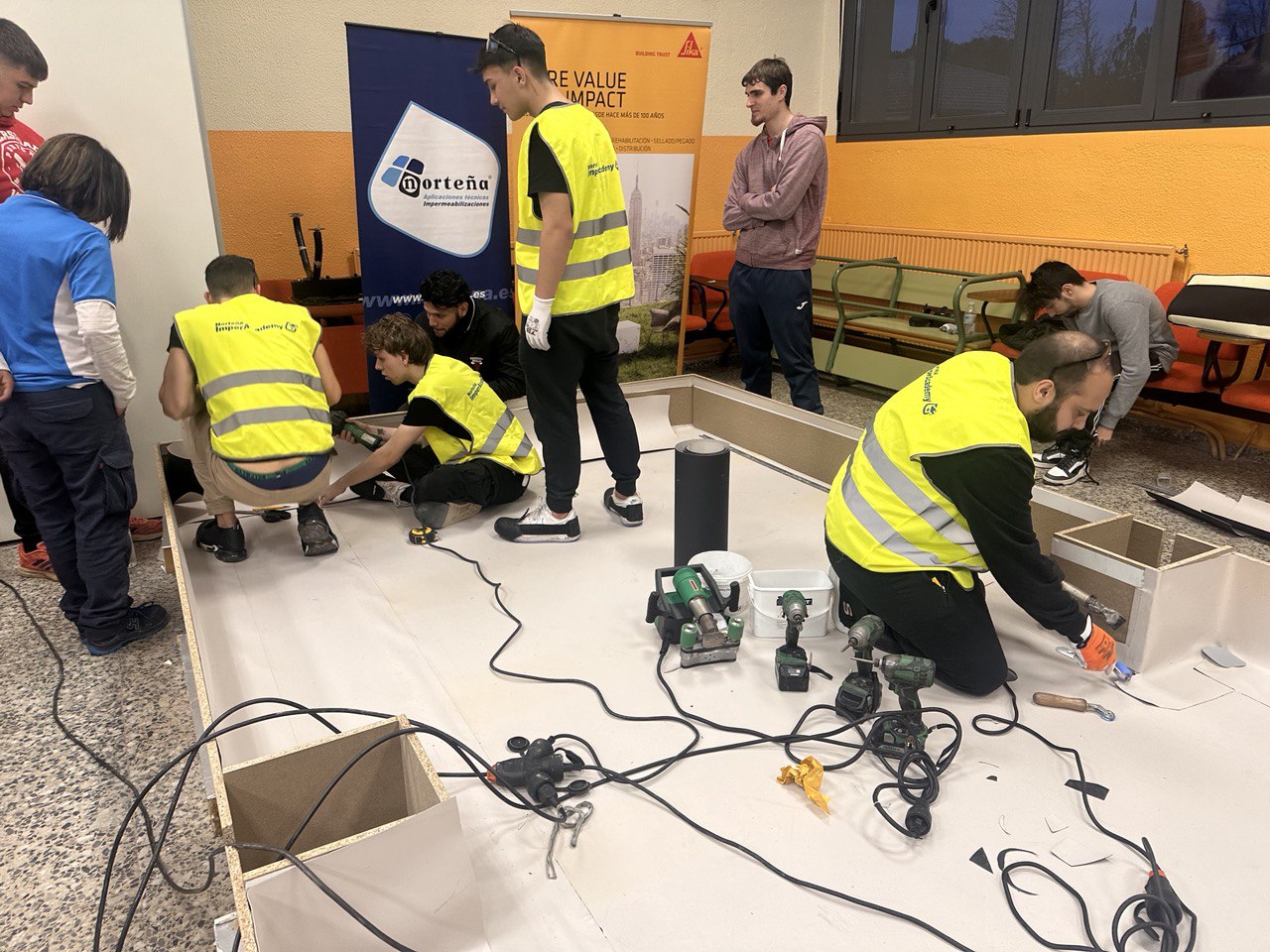
La estrategia de Capital Humano que lleva a cabo la empresa Norteña, ha sido merecedora de un nuevo reconocimiento; esta vez en la 20 edición de los Premios Castilla y León Económica, prestigiosos galardones del […]
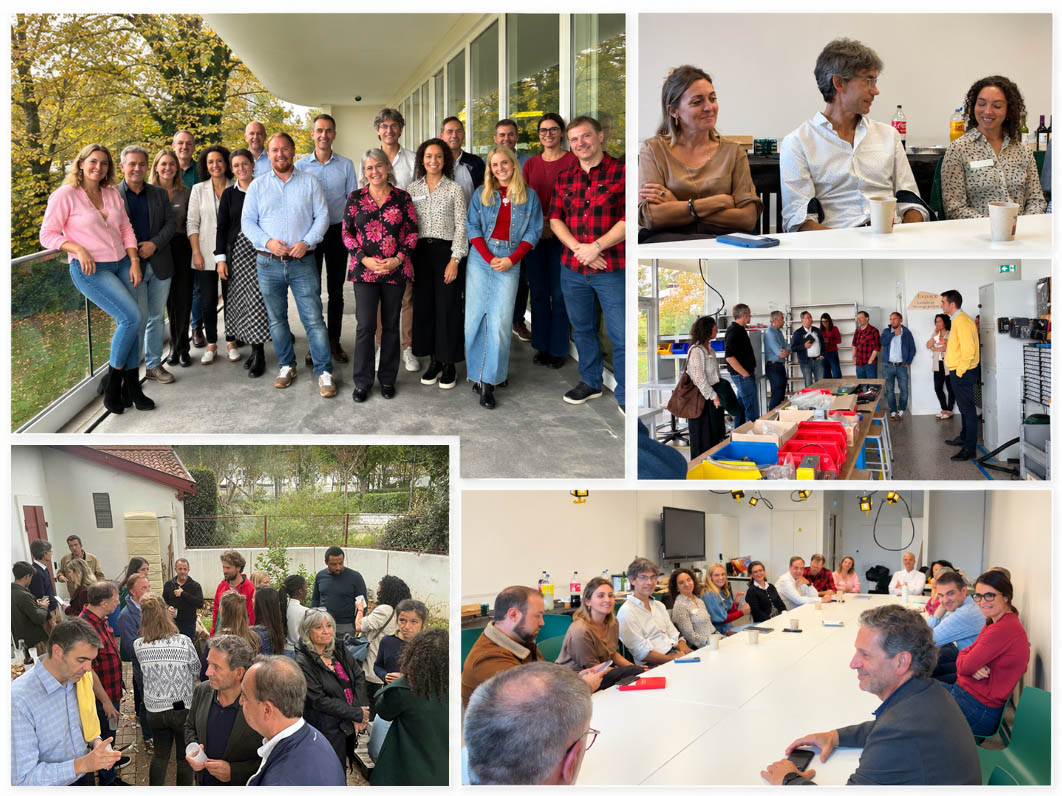
EKONGRESO 2026 toma este año carácter itinerante y se celebra en diferentes localidades y espacios con el fin de incorporar nuevas entidades, empresas y profesionales a la Red Colaborativa de ‘Círculo Empresarial […]
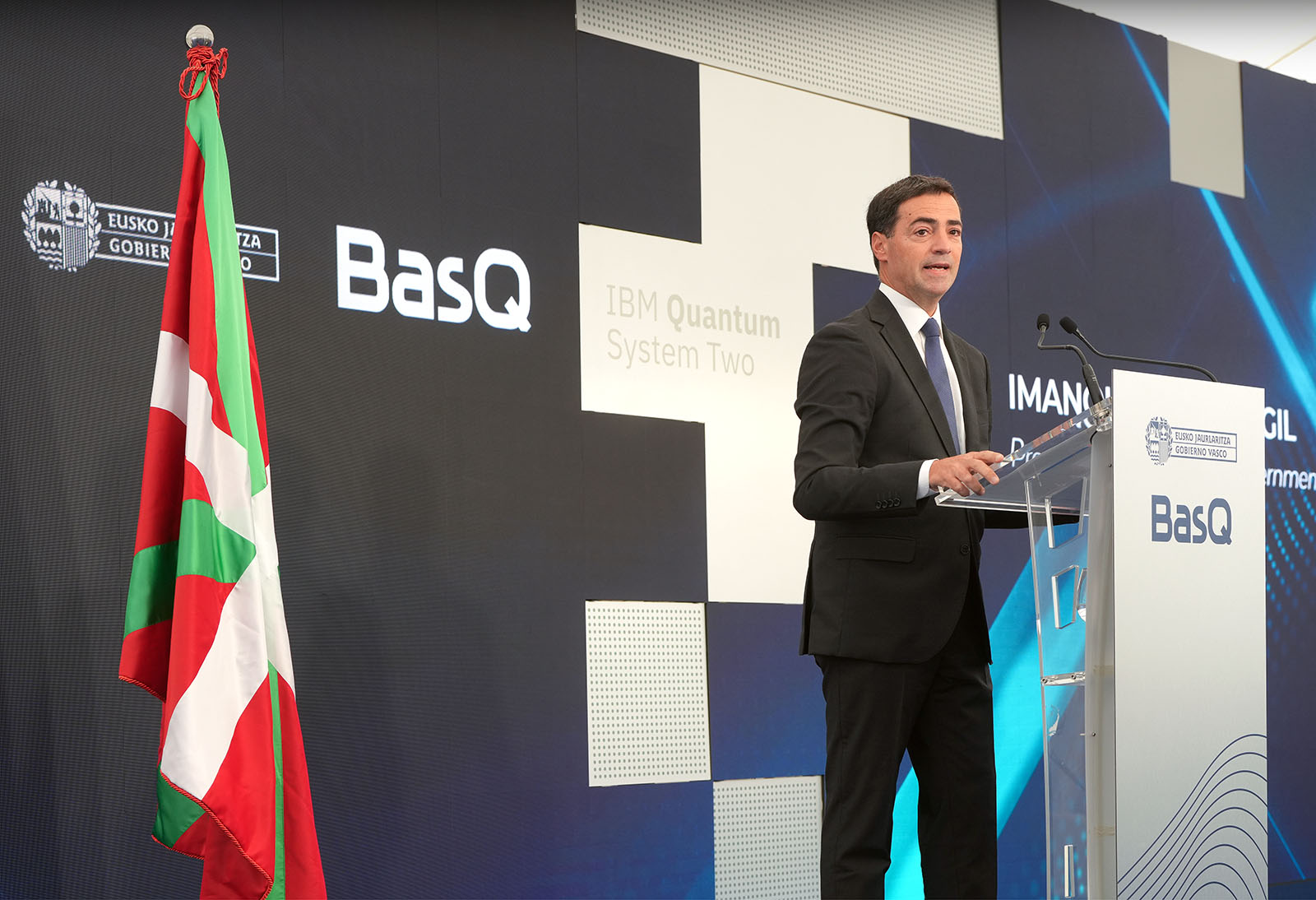
El Comité de Evaluación de Acceso de BasQ —creado por el Gobierno Vasco para acercar la industria y el sector público al ordenador IBM Quantum System Two de Donostia— ha aprobado las primeras solicitudes […]
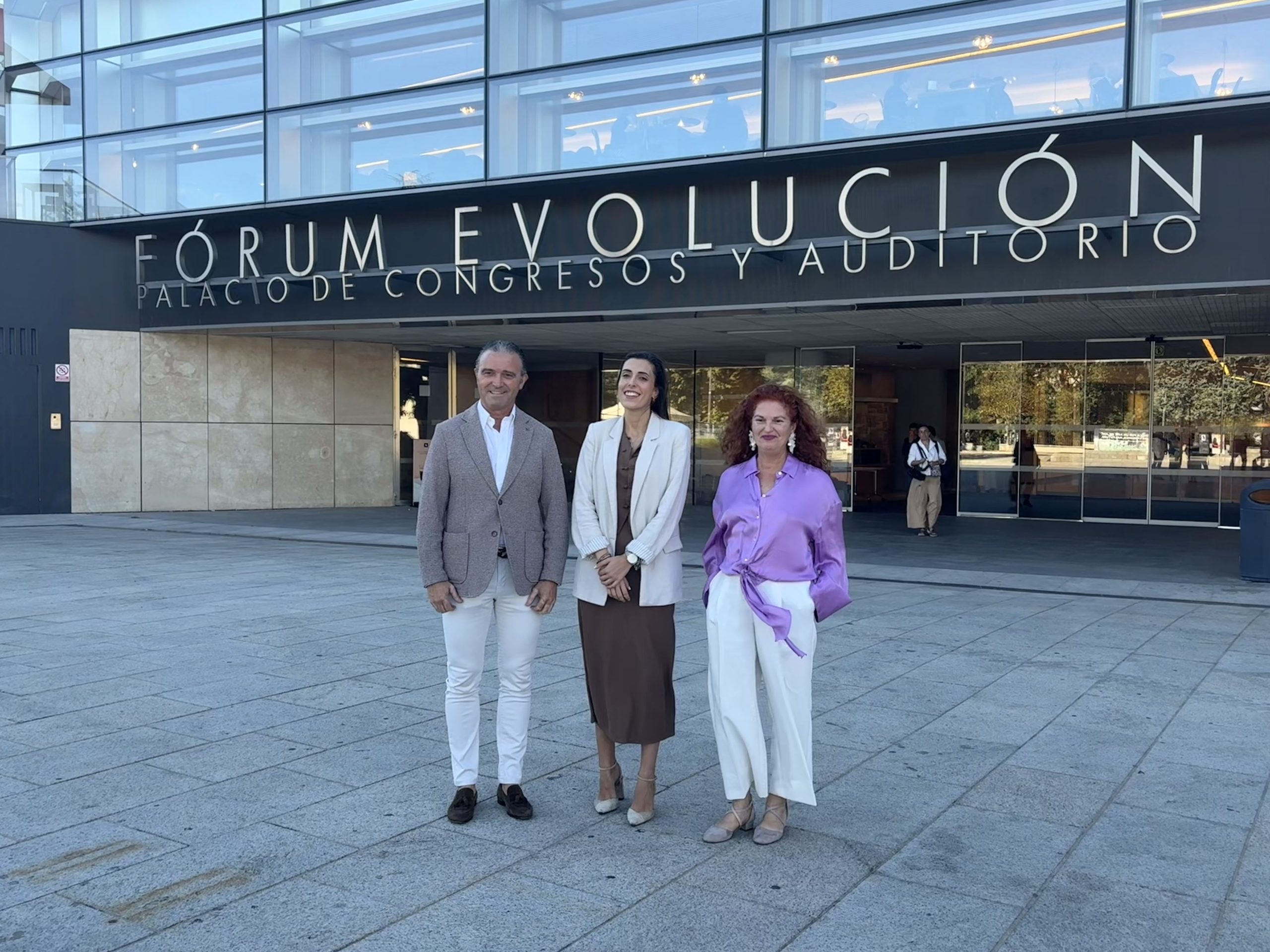
DIHBU y Ayuntamiento de Burgos, entidades coorganizadoras del #6burgosi40, presentaron las principales actividades que tendrán lugar entre los días 14 y 15 de octubre en Fórum Evolución, dentro del Encuentro […]
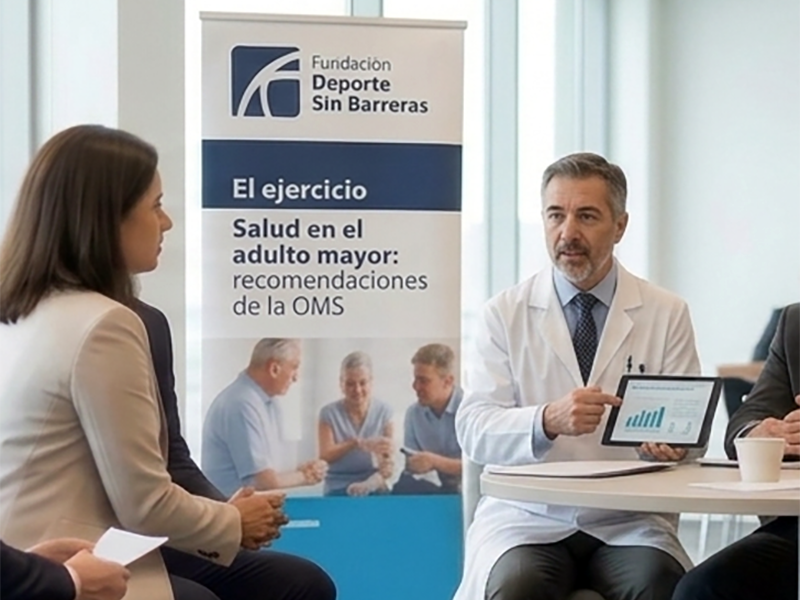
· A pesar de la abrumadora evidencia científica sobre los beneficios del ejercicio de fuerza en el adulto mayor, la mayoría de los centros deportivos actuales carecen de espacios adaptados y atractivos para las […]
7 steps to foster a culture of innovation inside your business
Organisation
Hofstede Insights
admin
Wed, 09/14/2022 - 12:42
Innovation
SMEs
How can small and medium-sized enterprises (SMEs) create and nurture a culture of innovation? Read on to discover 7 key steps to help businesses build an innovative mindset and environment that fuels growth. Innovation is a key driver of productivity for businesses of all sizes. Companies prioritising innovation are able to increase their market share, outperform competitors, deliver superior growth, and better meet customer needs.While some SMEs and start-ups are active innovators, the majority of them faces a number of hurdles to innovation. For instance, the limited size of these businesses means they often struggle to access the financing, business support, and skilled talent they need to innovate. The pandemic also slowed down innovation activities for SMEs that were hit hard by the crisis, shifting their focus towards fundamental survival. In the face of economic uncertainty, innovation can help companies recover faster in the short run while building resilience to crises in the long haul. Understanding how to foster a culture of innovation is therefore critical for organisations to handle disruptions and capture new business opportunities. Here are 7 steps managers need to take to stimulate innovation in their companies:1. Decide on why you want to innovateBefore pursuing innovation, executives should first understand what innovation means for their business and why it matters. Companies may innovate for various reasons: gaining a competitive edge, entering new markets, or improving efficiency. Whatever the motivation, teams need a clear sense of purpose before taking action.More importantly, innovation should never be a goal in itself but a tool that leaders can use to bring their organisation closer to specific business goals. To identify the desired end goal of innovation, companies should first conduct a needs analysis. What are you trying to achieve through innovation? What resources will you need to get there? And where will innovation take place in the company? 2. Be clear on what kind of innovation you needOnce you know why you want to innovate, the next step is to identify what kind of innovation your organisation needs. There are two main types of innovation: incremental and disruptive. Incremental innovation takes place when companies gradually improve or upgrade current products and services. By contrast, disruptive innovation involves the establishment of new technologies, processes, or business models that transform industries or create new markets. Apple’s iPod, for instance, was a disruptive innovation because it generated a new market for digital music players. The latest versions of the iPhone, on the other hand, are examples of incremental innovation building on existing technology. Incremental innovation is often a more practical option for SMEs as it requires less investment compared to disruptive innovation. However, unlike larger businesses, start-ups and SME tend to be more agile and less risk-averse, which makes them better equipped to pursue disruptive innovation.3. Understand how innovation works and create space and time for itInnovation requires learning and experimentation. Yet too frequently employees are discouraged from challenging the status quo by rigid norms and cultural barriers that stifle creativity and participation. Companies aspiring to innovate should create a safe space where people are encouraged to take risks, practice exploration, and embrace setbacks as normal parts of the innovation process. This can include setting up innovation 'garages' or 'labs' where multidisciplinary teams work on key projects free from routine constraints, ensuring lessons are captured and shared, and recognising all innovation efforts, regardless of their outcome.In addition to space, innovation also needs dedicated time to focus, ideate, experiment, test, and optimise. This of course is easier said than done, especially in fast-paced environments. Leaders should set aside separate time to brainstorm and nurture a free-flowing exchange of ideas that support the strategic goals of the business. This may mean encouraging employees to devote a percentage of their time to develop side projects aligned with the company’s mission, running hackathons, or investing in training where people can learn new innovation techniques.4. Embrace diversity, elevate equity, and lead inclusivelyAccording to a 2018 report by Deloitte, companies with diverse and inclusive cultures are six times more likely to be innovative and eight times more likely to achieve better business outcomes. There are several reasons why companies promoting diversity, equity and inclusion tend to be more innovative compared to homogenous ones. First, diverse teams can harness an eclectic range of skills, ideas, backgrounds and experiences to generate better ideas for solving problems. A diverse and inclusive workforce also leads to higher individual performance as employees feel valued and engaged. Second, diversity enables the adaptability and agility that innovation requires. For example, a diverse mix of members may help organisations recognise new market opportunities and expand their engagement with broader stakeholder groups, including marginalised voices. Third, businesses that adopt diversity, equity and inclusion policies are more successful at attracting and retaining a wider pool of talent, which is a vital asset for innovation. Creating a sense of belonging, ensuring equal access to opportunities, and encouraging diverse perspectives should be strategic priorities for organizations seeking to foster innovation.5. Align your organisational culture to support innovationOrganisational culture is the distinct way in which members of an organisation relate to each other, their work, and the outside world. Based on the Hofstede Insights Multi-Focus Model™, organisational culture is underpinned by six dimensions or variables: organisational effectiveness, customer orientation, level of control, focus, approachability, and management philosophy. Of these six dimensions, two in particular are crucial for innovation: the organisational effectiveness and the level of control, respectively.Organisational effectivenessThe ‘organisational effectiveness’ dimension shows if individuals, teams or corporations focus more on how work is carried out (means-oriented) or what type of work is done (goals-oriented). In a means-oriented culture, employees avoid taking risks, invest little effort in their work, and follow established routines. By contrast, teams in a goals-oriented culture pursue specific goals, even if these involve higher risks. For example, an organisation which aims to improve its customer service may be better off exploring new ways of cross-functional collaboration – e.g., assigning an engineer to work with the customer service department or inviting a customer service agent to management meetings – rather than sticking to existing processes that fail to yield results.Level of controlThe ‘control’ dimension refers to the amount of control, internal structuring, and discipline within an organisation. The hallmarks of high control work environments are a strict work discipline, formality, and cost-consciousness. Conversely, lower levels of control in the workplace facilitate informal communication among team members and create a more relaxed atmosphere which can spur disruptive innovation. In this environment, individuals feel more comfortable sharing new ideas and taking bolder action.But fostering innovation does not mean removing all forms of control and structure within the organisation. Unstructured ideas, while vital for brainstorming, can result in missed opportunities and wasted resources. As such, companies should set up control mechanisms and organisational structures that reduce the risks associated with innovation while still creating space for novel thinking. Teams which implement well-designed innovation processes are more likely to succeed. 6. Clarify roles and expectationsFor innovation to create real value in a business, all stakeholders should have a clear image of the innovation goals and roles across the organisation. Put simply: how does innovation align with the overall business objectives? What does innovation mean in the specific context of the organisation or team? Which ideas are followed up within which teams? And which departments must be involved in the different innovation stages? Everyone can have good ideas, but choosing which to pursue and which resources to commit becomes problematic if people do not fully grasp the organisation’s innovation strategy. If information is withheld or miscommunicated, efforts may not support the right goals or may be duplicated.Employees have greater confidence in their company’s mission and feel motivated to perform better when executives are transparent with their teams. Transparency also creates purpose: people know why they are performing a certain task and how it drives the organisation’s broader goals. Leadership encourages everyone to get involved and values all contributions, big or small.7. Measure your successEntrepreneurs aiming to foster a culture of innovation in their companies should always measure their success. Reliable innovation metrics are crucial for providing strategic direction, guiding resource allocation, holding people accountable, and improving innovation performance.But measuring innovation is not always straightforward. For example, companies are often tempted to examine business and product metrics such as revenue growth or the number of new products developed, but these may not fully capture the organisation’s innovative processes. Instead, companies can better evaluate the outcome of their innovations by looking into a mix of relevant metrics, such as the speed to market, the resilience to external shocks, the environmental impact, and the employee participation in innovative activities. There is no standard metric for measuring innovation. Executives, however, should ideally rely on the same measurement method they used to evaluate the organisation’s initial state.Innovation in practice: acting on ideasFinally, innovation cannot take place without execution. While fostering a sense of innovation is important, organisations need to put effort into the implementation of the ideas that add the most value to the business. A company’s ability to execute new ideas is what makes the difference between successful innovation and simple ideation.Taking action also boosts employee morale by showing individuals that not only are they encouraged to come up with fresh ideas, but that these solutions have been converted into concrete business plans.
Hofstede Insights
About the author(s)Hofstede Insights manages the impact of culture on work-life and helps the world’s largest organisations transform their intercultural and organisational challenges into business success stories.
Helping a Danish VR company thrive in the international market
admin
Thu, 09/01/2022 - 09:39
Virtual Reality (VR) can help multiple sectors achieve disruptive innovations thanks to its many added values. However, development and deployment often require international partners and further knowledge resources. This is why Danish VR company Khora asked the Enterprise Europe Network for support in securing relevant international partnerships.Virtual Reality is far from being just about computer games and fun audio and visual simulations. The medium tricks the brain into believing that what you are undergoing is real – a 'body transfer' as psychologists would define it. It enables an immersive 360-degree space and sound experience. In other words, you might get vertigo from virtually walking on a line between two skyscrapers, while cognitively being aware that you are standing in your living room and not falling anywhere.
The potential of these virtual environments to trick our senses and perceptions opens a vast array of opportunities to make a positive impact on people and sectors working in health, medical treatments, cultural industries, and learning and development, explains Matias K. Seidler, Program Director at Khora.
Khora is an award-winning VR and Augmented Reality (AR) production studio in Copenhagen, creating cutting-edge content in multiple application areas. Over the past five years, they have produced more than 300 VR/AR applications and hosted more than 1000 workshops and events.
Finding the perfect international match
"In order to develop the full potential of VR technology, the company needed help in finding the most suitable partners. That is why working with the Enterprise Europe Network and making the most of its vast connections in the international market has been invaluable", says Matias.
Hoping to create the right alliances, Khora contacted the Network to be matched with relevant companies and knowledge institutions. "The collaboration has been going on for several years and, although several faces around the table have changed along the way, the focus has remained on the same mission and passion", says Network adviser Peter Ravnborg Nissen.
"The Enterprise Europe Network could help in several ways: partners search, market mapping, innovation enablement, customer journey design, dynamic experiences. When I met Khora it was easy to find potential partners for them. They were already growing and had just won the Børsen’s Gazelle Award", explains Peter. Børsen is Denmark's leading business newspaper. For more than 25 years, Børsen has mapped the country's fastest-growing companies, the Børsen Gazelles. They have done so because they believe that gazelles are a driving force in society, they are role models for job creation, optimism, and creativity in Denmark.
Peter adds: "Our support to Khora was twofold. We helped them in finding partners in the form of potential customers or knowledge-based relationships that could elevate their VR capabilities into a bigger league. Furthermore, and on an ongoing basis, we have also helped them structure their demand and inquiries while discussing everything else that comes along the way."
The perfect companion on your road to success
Having the Enterprise Europe Network on board clearly comes as an asset. "Their international partnerships searches, where we are properly described, and their sorting of incoming inquiries have meant a lot for us in terms of saving time and uncovering blind spots. Even though we have thousands of business connections in the company, we are nowhere near the number of sector-specific networks and platforms that Enterprise Europe Network has", says Matias K. Seidler.
Thanks to this business matchmaking, Khora is now on the international VR map and is benefitting from concrete collaborations. "For example, an Irish university has a whole department working on Artificial Intelligence, and this resource is exactly what we need in some of the larger, cross-European projects we are part of. We would have never found them ourselves. The Network also acts as a seal of approval - both for the partners they connect us to and for us in the eyes of potential partners. In this way, their support helps us accelerate critical processes and build trustworthy partnerships" Matias concludes.
The original success story is published on the Danish Network website.
DENMARK
ICT Industry & Services
Storing all the world's data in one litre of DNA solution
admin
Mon, 08/22/2022 - 09:46
Slovenian company BioSistemika worked with the Enterprise Europe Network to prepare for the EIC Accelerator call for proposals and succeeded in receiving a grant of €1.8 million from the European Commission.BioSistemika presented the DATANA project to industry and the broader public for the first time in San Diego at the Bio International 2022 Convention in June this year. The response was excellent, and there was a lot of interest from potential users and customers, as well as development partners and investors.BioSistemika was set up as a spin-off of the Slovene National Institute of Biology. The company is active in software development and biotechnology. Their potential global project, DATANA, has been supported by the European Commission through the expertise of the Enterprise Europe Network and the funding under the EIC Accelerator proposal call.The DATANA technology provides a sustainable solution to the global challenge of long-term data storage and archiving. Current data storage servers are far from meeting this challenge, with current forecasts suggesting that by 2025 we will only be able to store 20% of the data we produce daily. Servers also consume vast amounts of electricity and already have as many emissions as the aviation industry. The DATANA project will use its patented algorithm and device to work with small volumes of liquids to store binary data as a DNA molecule. A DNA molecule can store several million times more information per volume than conventional data storage media. To put this into perspective: this technology allows us to keep all the data in the world in one litre of DNA solution. The European Commission’s support and funding has been key to developing the technologyThe research and development phase is costly, but such projects are also hazardous, and without funding, a company like BioSistemika would not be able to afford it. The total value of the DATANA project was estimated at over €2.6 million. The European Commission funded 70% of this, and BioSistemika covered the rest from its own resources.During the application process, the company contacted Dr Igor Milek, an Enterprise Europe Network adviser at the Slovenian Network branch and national contact point for the EIC Accelerator programme, who helped them with advice on interpreting the tender conditions and by pointing them in the right direction. Before the actual interview and the presentation of the application in front of the expert panel in Brussels, several actions were carried out with the Network expert, including the design of an advisory plan and the presentation rehearsals to prepare the company for the interview stage. All these activities, exercises and advice were essential for the final success. Always on the hunt for partners with complementary skills and a similar visionThe company regularly monitors new calls for tenders, as these are of great importance for a high-tech development company, providing funding for developing new or improved products.Although the €1.8 million they will receive from the European Commission for the DATANA project may sound like a lot, it is far from enough to break into the market. In parallel, they are already looking for additional sources of funding and investment.They are currently applying for a European call for proposals, which is complementary to the DATANA project and could further help them to disrupt the market successfully. They are again working with Enterprise Europe Network advisors to find international partners and are in regular contact with them about their current needs."For companies like ours, support programmes like the Enterprise Europe Network can be a real asset, and I think they work very well in Slovenia. In recent years, they have made great strides in supporting businesses. Even before submitting the DATANA project to the call for proposals, we have received some useful guidance from the Network, and it all came together in the end to form a success story," says Roswita Golčer Hrastnik, CEO of BioSistemika.DATANA will continue on its independent pathDuring the first year of the DATANA project, several new promising research and development areas have already opened up and the goal is to develop further. "Above all, we want the DATANA project to be a success and to offer the world a solution that will make a real contribution to solving global problems in the field of data storage," explains the CEO, adding that the plan is to raise funds for additional research and development and, at the right time, to take DATANA on its path as a "spin-off" company in cooperation with a suitable investor. BioSistemika will continue on its primary path of developing digital solutions for laboratories and further develop new ideas for future breakthrough projects.
SLOVENIA
BioChemTech
Tags
Access to finance
Access to EU finance
SG Nano and Micro technologies
Sustainable style: How Xeraliving is greening home décor
Organisation
Business Finland
admin
Tue, 08/09/2022 - 10:10
Sustainability
interior design
women entrepreneurship
Finnish entrepreneurs Veera Ylikotila and Jenni Hakkarainen launched Xeraliving with a bold mission: to make the interior design industry more sustainable and transparent. The Enterprise Europe Network helped the company with advice on outsourcing, building international connections, and finding new partners. Hanna Riski, Senior Adviser at Business Finland, spoke with Veera about how this support helped Xeraliving succeed globally.The birth of Xeraliving: "Nothing but pretty things and better choices"Xeraliving is a Finnish company, founded in 2020 by Veera Ylikotila and Jenni Hakkarainen who met at the Habitare Fair in Helsinki the previous year. With successful entrepreneurial careers under their belt, the two designers saw a unique opportunity to create a new brand that would shape the sustainable textile industry in Europe.Taking inspiration from nature and the Nordic minimalist aesthetic, Xeraliving offers high-quality home décor in natural materials, produced responsibly and transparently. Collections feature a versatile range of textiles – from subtle prints and elegant linen bedding to rich throws and blankets – as well as a beautiful series of artwork, postcards, and calendars. The natural fabrics such as linen and organic cotton, together with the clean design and attention to craft, speak to modern dwellers who wish to create a functional and beautifully decorated space in their homes. In a timeless style, products are characterised by comfort and simplicity, created using eco-conscious techniques, in soothing cream colours and earthy tones. Sustainability as a way of doing businessTextile mills generate one-fifth of the world’s industrial water pollution and use approximately 20,000 chemicals, many of which are carcinogenic, to make clothes. Every year, Chinese textile factories alone produce about three billion tons of soot pollution, linked to severe respiratory and heart diseases. Xeraliving aims to change this grim picture. "It’s vital for companies to make better choices", Veera explained. "While a small business may have access to limited resources, it can always choose what materials to use and where to produce."Ethical and ecological values are firmly woven into the company’s fabric, from the choice of materials to packaging and shipping. The signature fabric of the collection is linen, selected due to its durability and light environmental footprint. Flax, from which linen is made, is a resilient plant that can grow without irrigation, fertilizers or pesticides, using far less resources in its cultivation than cotton. Other décor and stationary items are made from organic cotton, recycled fibres, cellulose, and paper. Textiles are accompanied by international certificates such as Oeko-Tex100, which guarantees that articles are harmless for human health, and the Global Organic Textile Standard (GOTS), ensuring the organic status of the materials. Similarly, paper products are certified either by the Forest Stewardship Council (FSC) or the Programme for the Endorsement of Forest Certification (PEFC), which means that the wood used as a raw material comes from identifiable, well-managed forests. A local company in Pori, Finland, currently employing 20 staff, prints all paper items.Products are packed at a local factory to reduce fuel consumption and pollution. Merchandise is stored in a single warehouse in Turku, Finland. Packaging matters, too: textiles are wrapped with an organic cotton ribbon, logo tags are made from natural Portuguese cork, while product tags are designed using biodegradable flower seed paper. The company minimises waste as much as possible and never uses plastic. Customers are invited to make thoughtful and informed purchases, recycle, compost, or simply return worn textiles to Xeraliving for donations or reuse. Similarly, cards and posters can be repurposed for crafts or DIY projects, while packaging paper is perfect for wrapping gifts.The company carefully tracks and documents the entire production process – from design and printing to sewing and packaging. "All our items have what we call a 'responsibility map' that shows the product’s journey from the design table to the final product", Veera says. "We are creating the décor of tomorrow". Xeraliving only works with companies that share the same commitment to sustainable and transparent practices. The creation of their tote bag, for example, happened in close collaboration with a Dutch circular textile factory recycling polyester and cotton fibres.When business smarts meet heart and hustleXeraliving first reached out to Enterprise Europe Network partners in Finland in 2020, seeking support with outsourcing, building international connections, and finding new partners. The pandemic brought further challenges to the business. Hanna Riski, Senior Adviser at the Network partner Business Finland, connected with her colleagues in the textile sector and encouraged Xeraliving to join virtual matchmaking events like Textile Connect 2020. “We were relieved and excited to hear that the Network could help us find the contacts we needed, free of charge,” says co-founder Jenni Ylikotila. “Before that, we were on our own.”Thanks to the event, Xeraliving quickly began working with five new partners in Sweden, Portugal, the Netherlands, Slovakia, and the Czech Republic. “It gave us a great start in our international journey,” Jenni adds. “We were able to connect with new companies much faster than we could have on our own.” The Network’s ability to pivot to virtual matchmaking was a game changer. “The shift to online actually brought more participants than ever, since travel was no longer a barrier,” Hanna notes. That digital flexibility played a key role in helping Xeraliving grow, even during uncertain times.Xeraliving now works closely with Enterprise Europe Network partners in Finland and maintains an active profile in the Network’s database. The company regularly takes part in international matchmaking events to connect with potential partners and distributors. To strengthen its visibility, Xeraliving has built a strong digital presence, particularly on Instagram, and actively uses online wholesale platforms like Faire, Orderchamp, and Ankorstore as part of its marketing strategy.As large companies shift toward more sustainable production, smaller businesses must keep pace to remain competitive. SMEs like Xeraliving are now key players in shaping a greener future, prioritising both people and planet. By adopting eco-conscious practices, they meet rising consumer demand, cut waste, reduce environmental impact, and build strong, future-ready brands. It may seem like a big leap, but SMEs don’t have to go it alone. With guidance from Enterprise Europe Network, small businesses can embrace sustainability with confidence.
Hanna Riski
About the author(s)Hanna Riski serves as the Coordinator and Communication Champion of the Finnish consortium of the Enterprise Europe Network. Her expertise spans service development for public enterprises, EU affairs, and international partnerships, with a special focus on the textile sector.
Step inside the "Krtkodom", the home built into nature
Organisation
Slovak Business Agency
admin
Wed, 07/13/2022 - 16:59
sustainable construction
Innovation
Sustainability
What is sustainable architecture and how can it help designers, architects, builders, and clients minimise harmful energy consumption and pollution? Katarína Jelenáková, Manager for International Cooperation and Support of SMEs at the Network partner Slovak Business Agency, interviewed architect and structural engineer Martin Pribila, the creator of the "Krtkodom" concept. This alternative housing solution uses less land and energy while promoting a healthy, natural environment for its residents. Simple, sustainable, and successful, the Krtkodom is making a strong case for greener living. How would you describe the Krtkodom? The Krtkodom (meaning "mole house" in Slovak) is an eco-friendly, earth-covered house located on a slope, with roofs laid with soil and grass. Designed to blend into the natural landscape, it offers a comfortable living space while minimising environmental impact.Unlike conventional buildings, the Krtkodom enables the effective use of sloping land for construction. The system is also more cost-effective compared to other types of houses built on a slope. By integrating retaining walls into its structure, the Krtkodom manages to cut down construction costs.The concept also allows for energy self-sufficiency through solar panels and natural heating and cooling systems, which reduce wasteful energy consumption. The green roof insulates the building, cleans the surrounding air, absorbs rainfall, and can conserve up to 70,000 litres of water. The house is protected and surrounded by nature, which helps reduce noise and pollution.Free from commonly used building materials such as asphalt and plastics, the Krtkodom relies on recycled concrete, minimising the damage caused by one of the planet’s most polluting industries.How was this idea born?The Krtkodom concept was inspired by the book Earth Sheltered Housing Design: Guidelines, Examples and References, published by the University of Minnesota in 1979. My college roommate introduced me to it, and once I started reading, I was captivated by the idea of underground housing. The book highlighted how humans have long used caves and natural shelters to stay insulated from extreme temperatures, a concept that opened my eyes to the potential of nature as a model for sustainable design.I built the first Krtkodom for myself, which turned into a valuable learning experience. It allowed me to refine the concept at my own pace, without the pressure of client expectations, much like offering prototype products to family and friends for testing and feedback.Despite advances in green building technologies, sustainable architecture remains rare. I wanted to create something different; something that would offer real value to clients and give us a competitive edge. In Slovakia, for example, only a few architects specialise in green, underground housing.Who is the Krtkodom built for?Our clients are individuals and families seeking homes that allow them to live in harmony with nature, achieve energy self-sufficiency, and reduce their environmental impact. Sustainability is part of all aspects of the planning and construction process of the Krtkodom, from the replacement of conventional materials with recycled alternatives to the incorporation of green roofs, the use of water conservation systems, and the integration of the building into the natural landscape. Clients find us through our website, dedicated publications, visiting tours, and our social media channels on Facebook, YouTube and Pinterest. For example, our vlogs have an important role in educating the public about the Krtkodom concept and lifestyle. I also help customers find suitable plots of land for their dream house.How has Enterprise Europe Network helped you bring this product to life?The Slovak Business Agency and the Enterprise Europe Network have been instrumental in helping us build a strong international network and grow our business. With their support, we connected with an architecture firm in Hungary, which took our product to the next level. We were fortunate to meet an architect who was passionate about our concept and brought fresh ideas on how to further improve the design of the house.Despite the challenges posed by COVID-19, which severely impacted the global construction sector, our business has thrived. Since November 2021, we’ve seen a rise in sales and strengthened partnerships with international collaborators. The demand for green roofs and sustainable housing is growing, with schools, museums, and other organisations expressing interest in our expertise.Currently, the Network is helping us connect with universities to conduct research on various aspects of the building, such as specific measurements and the use of alternative materials. They also keep us informed about relevant matchmaking events and international companies interested in our work. I’ve attended events in Prague, Lille, and Vienna, which helped expand our partner network. For example, through these events, I met a supplier from Serbia who now provides us with custom windows for the Krtkodom.What is your advice for aspiring entrepreneurs?In my experience, many “new” ideas in architecture are actually rediscovered and reimagined concepts shaped by different times and contexts. That’s why a good architect needs a solid understanding of history, art, and innovation, while also staying tuned in to current social and cultural trends. Of course, not every idea will work as is; many need to be adapted. Keeping an open mind and being flexible is essential to finding what truly works.Teamwork is equally important. Working with partners like the Enterprise Europe Network helped us challenge assumptions, spark creativity, and deliver better results. My advice to aspiring entrepreneurs: connect with your local Enterprise Europe Network contact point. It’s a great way to explore opportunities for growth, innovation, and international collaboration.
Katarína Jelenáková
About the author(s)Katarína Jelenáková is Manager for International Cooperation and Support of SMEs at the Slovak Business Agency. She holds a Bachelor’s Degree in Mass Communication and Advertising and has extensive experience in B2B communication, events management, and business advisory services.